Table of Contents
- The Core Question
- The Case for Buying
- The Case for Leasing
- Tax Considerations
- Which One Is Right for Your Operation
- Frequently Asked Questions
Automating your cannabis production operation is one of the most significant financial decisions you will make as an operator. Whether you are looking at a cartridge filling system, a concentrate dispenser, or a complete post-processing setup, the equipment is a meaningful investment. The question most operators eventually face is whether to buy outright or lease. Both paths are legitimate and the right answer depends entirely on where your operation is financially and where you want it to go.
The Case for Buying
Buying equipment outright means you own it from day one. There are no monthly payments, no financing terms to manage, and no restrictions on how you use or modify the equipment. For operations with the capital available, purchasing is straightforward and results in the lowest total cost of ownership over time.
Ownership also matters when it comes to balance sheet strength. Equipment you own is an asset. For cannabis operators who are building toward a larger operation, raising capital, or positioning for a future sale or partnership, owned equipment contributes to the overall value of the business in a way that leased equipment does not.
The full DDS equipment lineup, from the CFM-1800 cartridge filling and capping machine and CFS-1800 cartridge filling system to the CDS-1000 concentrate dispensing system and FX-8 flower infusion machine, are available for direct purchase. Ancillary equipment including vacuum ovens, vacuum pumps, and cold traps are available to purchase through the DDS online store.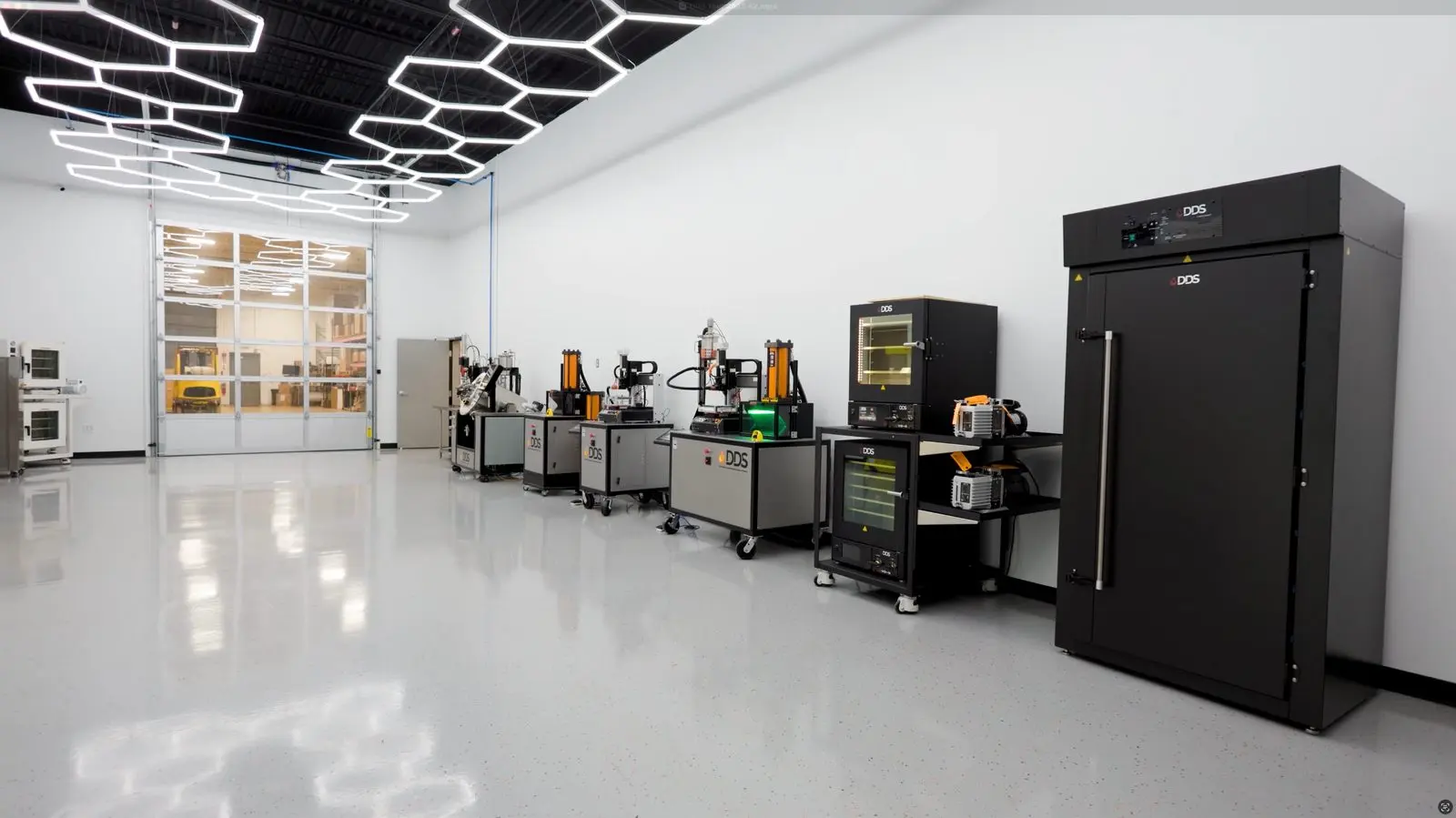
The Case for Leasing
Leasing solves a specific and common problem: you need the equipment to grow your operation, but tying up that much capital in a single purchase creates cash flow constraints that affect everything else.
For cannabis operators, cash flow is often the limiting factor more than ambition or demand. Leasing allows you to put production-grade automation in place immediately while spreading the cost over time, preserving capital for inventory, staffing, compliance, and the other operational costs that never stop.
Monthly lease payments are also predictable, which makes financial planning more straightforward. Rather than absorbing a large upfront purchase, you are converting a capital expense into a known operating cost.
Leasing can also make sense when you are scaling quickly and anticipate needing to upgrade equipment within a few years. Rather than being locked into hardware that may not meet your production needs at twice the volume, a lease structure can give you flexibility to adapt as the operation grows.
Tax Considerations
Both buying and leasing carry potential tax advantages worth discussing with your accountant, particularly given the unique tax environment cannabis operators navigate under federal law.
For equipment purchases, Section 179 of the US tax code allows businesses to deduct the full purchase price of qualifying equipment in the year it is placed in service rather than depreciating it over time. For cannabis operators, the applicability of Section 179 depends on your specific tax situation and how your business is structured. This is worth a direct conversation with a cannabis-experienced accountant before making a purchasing decision.
For leasing, monthly payments are typically treated as an operating expense, which can have its own tax advantages depending on your business structure. Again, the specifics vary and professional advice is worth getting before committing either way.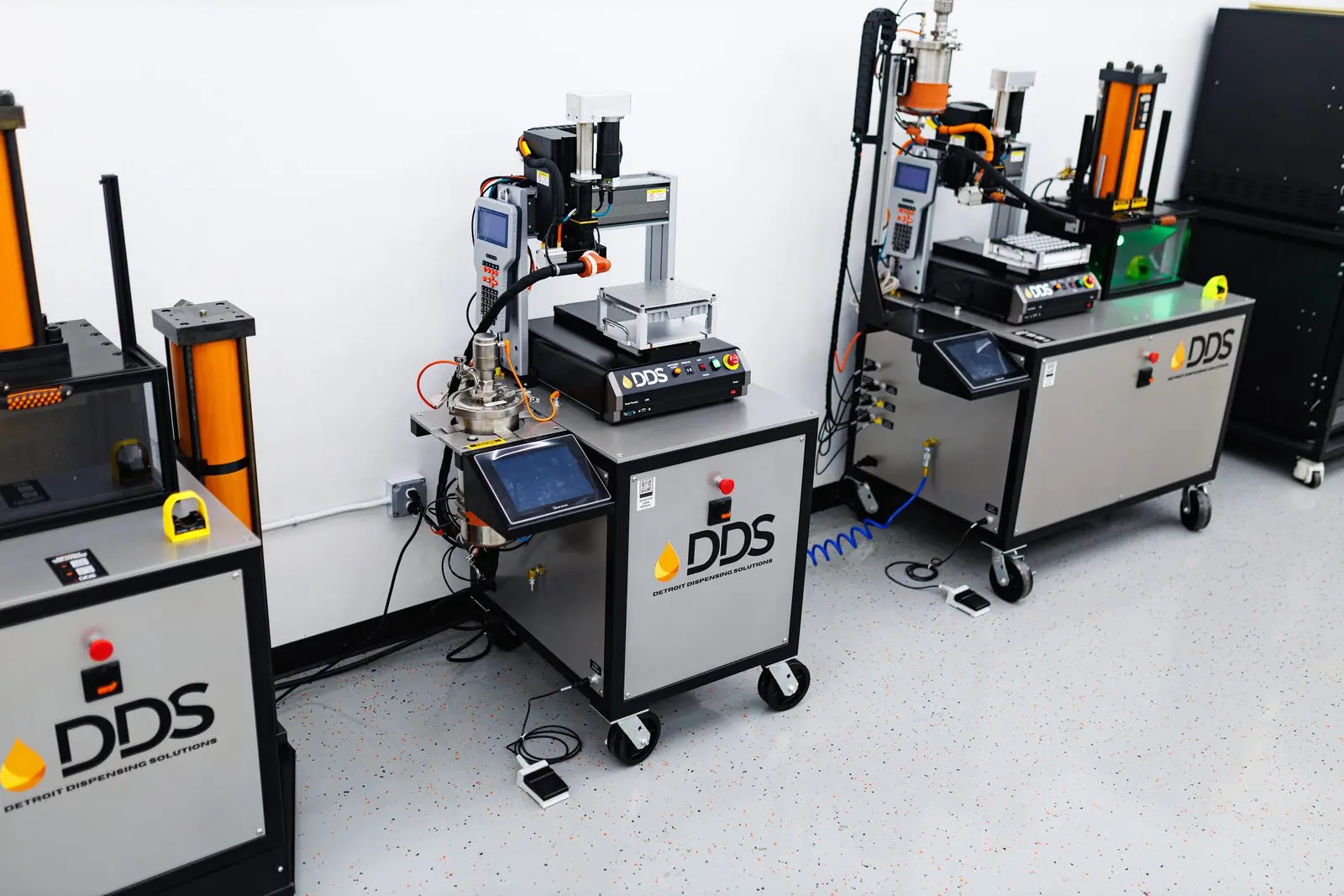
Which One Is Right for Your Operation
There is no universal answer, but the decision usually comes down to one question: do you have the capital available to purchase outright without constraining the rest of your operation?
If yes, buying is almost always the better long-term financial decision. You own the asset, your total cost over time is lower, and you have no ongoing payment obligations tied to that equipment.
If no, or if preserving cash flow is a higher priority than minimizing total cost, leasing is a legitimate path that lets you automate now rather than waiting until capital allows a full purchase. For operators who are scaling quickly and need production capacity today, the revenue generated by automated equipment often more than offsets the cost of a lease payment.
The right time to evaluate both options is before you have an urgent production bottleneck, not after one. Most operators who delay automation investment until they are already overwhelmed end up making faster, less considered decisions than they would have liked.
Frequently Asked Questions
Is it better to lease or buy cannabis processing equipment?
It depends on your capital position and cash flow priorities. Buying outright results in lower total cost of ownership and adds an asset to your balance sheet. Leasing preserves capital and converts a large upfront expense into a predictable monthly cost, which can be the right trade-off for operations that need to automate now without constraining cash flow.
Can cannabis businesses lease equipment given federal restrictions?
Yes. Equipment leasing for cannabis businesses operates through specialized lenders familiar with the industry. Traditional banks are often not an option due to federal restrictions, but cannabis-focused equipment financing providers exist specifically to serve this market.
What cannabis processing equipment can I buy directly from DDS?
Reach out for purchasing or leasing options for the CFM-1800, CFS-1800, CDS-1000, and FX-8. DDS vacuum ovens, pumps, cold traps, and consumables are available through the online store.
What is Section 179 and does it apply to cannabis equipment purchases?
Section 179 allows businesses to deduct the full purchase price of qualifying equipment in the year it is placed in service. Whether it applies to your cannabis operation depends on your business structure and tax situation. A cannabis-experienced accountant can advise on whether this benefit is available to you.
How do I know when my operation is ready to invest in automation?
The clearest signal is when manual production is consistently limiting your output, creating quality inconsistencies, or consuming labor costs that exceed what automation would cost over the same period. Getting ahead of that point rather than reacting to it tends to produce better outcomes.
Explore the full DDS equipment lineup and shop directly at detroitdispensingsolutions.com/shop. For questions about equipment or purchasing options, contact the DDS team.