Cannabis cartridge production demands different approaches depending on whether you're filling distillate or live resin. While both products deliver potency, their distinct characteristics create fundamentally different equipment requirements. Understanding these differences is the foundation for protecting product quality, maximizing margins, and avoiding costly production mistakes.
The Fundamental Difference: Refinement vs. Preservation
Distillate and live resin represent opposite philosophies in cannabis extraction. Distillates are highly refined and pure plant oils, often pushing 90-95% THC purity. The distillation process strips away terpenes and minor cannabinoids, leaving nearly pure THC or CBD—powerful but simple.
Live resin takes the opposite approach. Made from fresh-frozen cannabis flower, it preserves the full spectrum of cannabinoids and terpenes present at harvest. In their most raw forms after extraction, live resin contains 4-12% of terpenes, delivering rich flavor and aroma that closely resembles the original strain.
This philosophical difference creates practical consequences for cartridge filling. Distillate's chemical simplicity makes it thermally and chemically stable—it tolerates heat without degradation. Live resin's complexity makes it fragile. Those preserved terpenes that create premium flavor are highly volatile and degrade rapidly when exposed to heat or vacuum pressure.
Viscosity and Temperature Sensitivity
Both distillate and live resin are thick, but they respond to temperature differently. When filling vape cartridges with distillates, they can be heated up to 200°F, causing lowered viscosity for fast filling. This aggressive heating works because distillate's refined composition tolerates high temperatures without losing desirable properties.
Live resin cannot withstand such treatment. Live resin needs to stay closer to 50°C (122°F) to protect terpenes, while temperatures between 45-55°C work for most formulations. Processing solventless rosin and achieving the consistency and viscosity needed to fill a cartridge is a balancing act—you must avoid damaging the terpenes or degrading the cannabinoid profile.
The temperature sensitivity extends beyond just heating for viscosity. When you apply a vacuum you lower the boiling point, and materials will actually heat up more at lower temperatures. For live resin and rosin, this means filling machines must allow high levels of control over dispensing system parameters to mitigate any potential actions that might damage the product.
Equipment Requirements for Distillate Filling
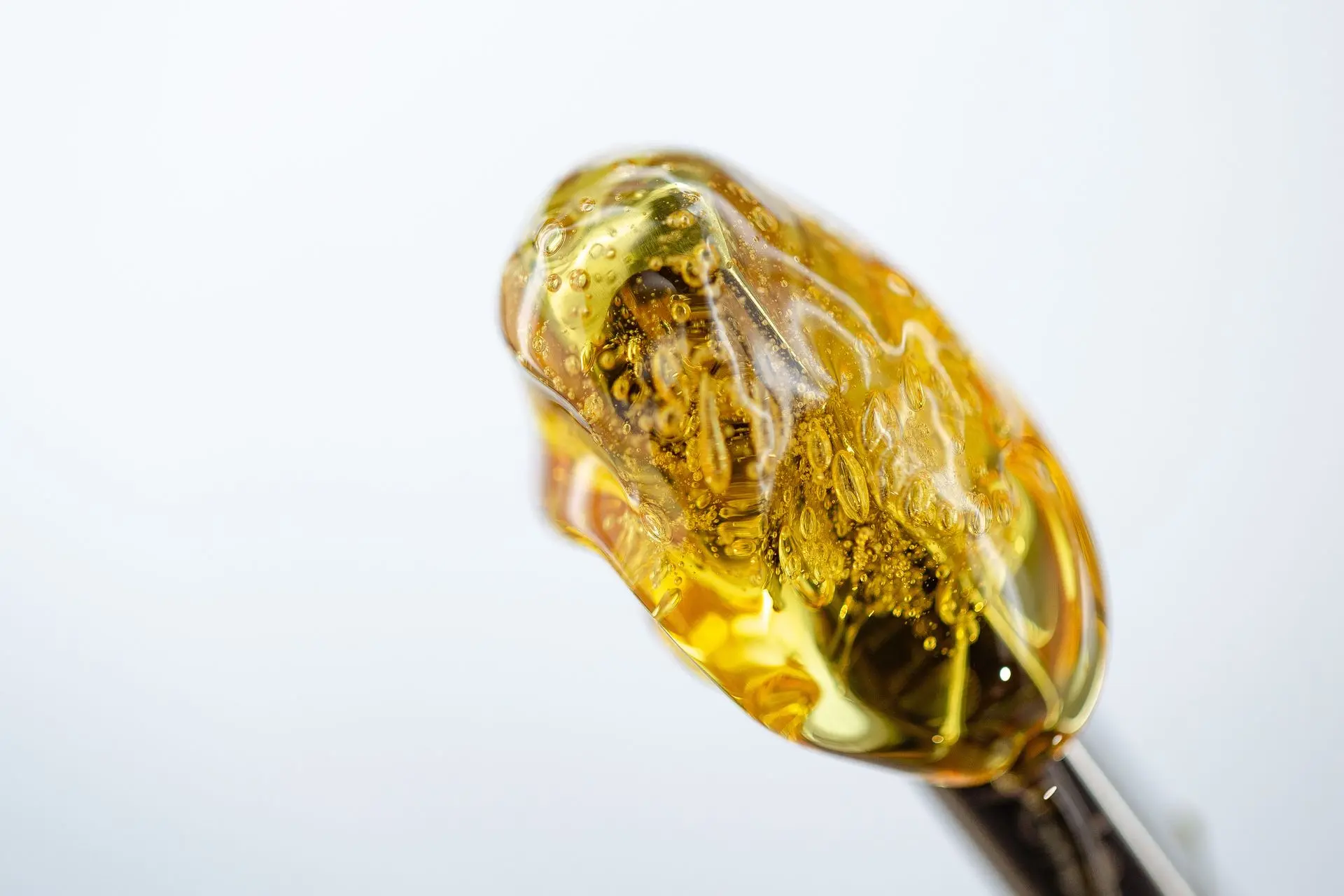
Distillate's stability makes it forgiving for cartridge filling equipment. Because THC distillate is incredibly pure (typically over 90%), it performs reliably from batch to batch, especially when formulated with known quantities of isolated botanical terpene blends.
Standard cartridge filling machines can handle distillate effectively with moderate temperature control. Gentle heating between 45 and 65°C generally works for most distillate formulations, though some equipment pushes higher without immediate consequences. The chemical simplicity and process predictability of distillate mean operators can use as little as 50°C of heat when filling with properly designed systems.
When looking for the best cartridge filling machines, the challenge with distillate isn't preservation, it's consistency. Even properly measured product volumes can register inconsistently if large air pockets form due to the oil's viscosity. Precision filling equipment ensures accurate dosing regardless of air entrapment, but distillate forgives equipment limitations better than live resin.
Equipment Requirements for Live Resin Filling
Live resin demands precision equipment designed specifically for temperature-sensitive materials. The filling process needs to be precisely controlled when working with live resin and rosin products. Artisanal live resins and rosins can be damaged not only by high temperatures but also by any vacuum introduced in the filling machine dispense system.
Critical equipment features for live resin include:
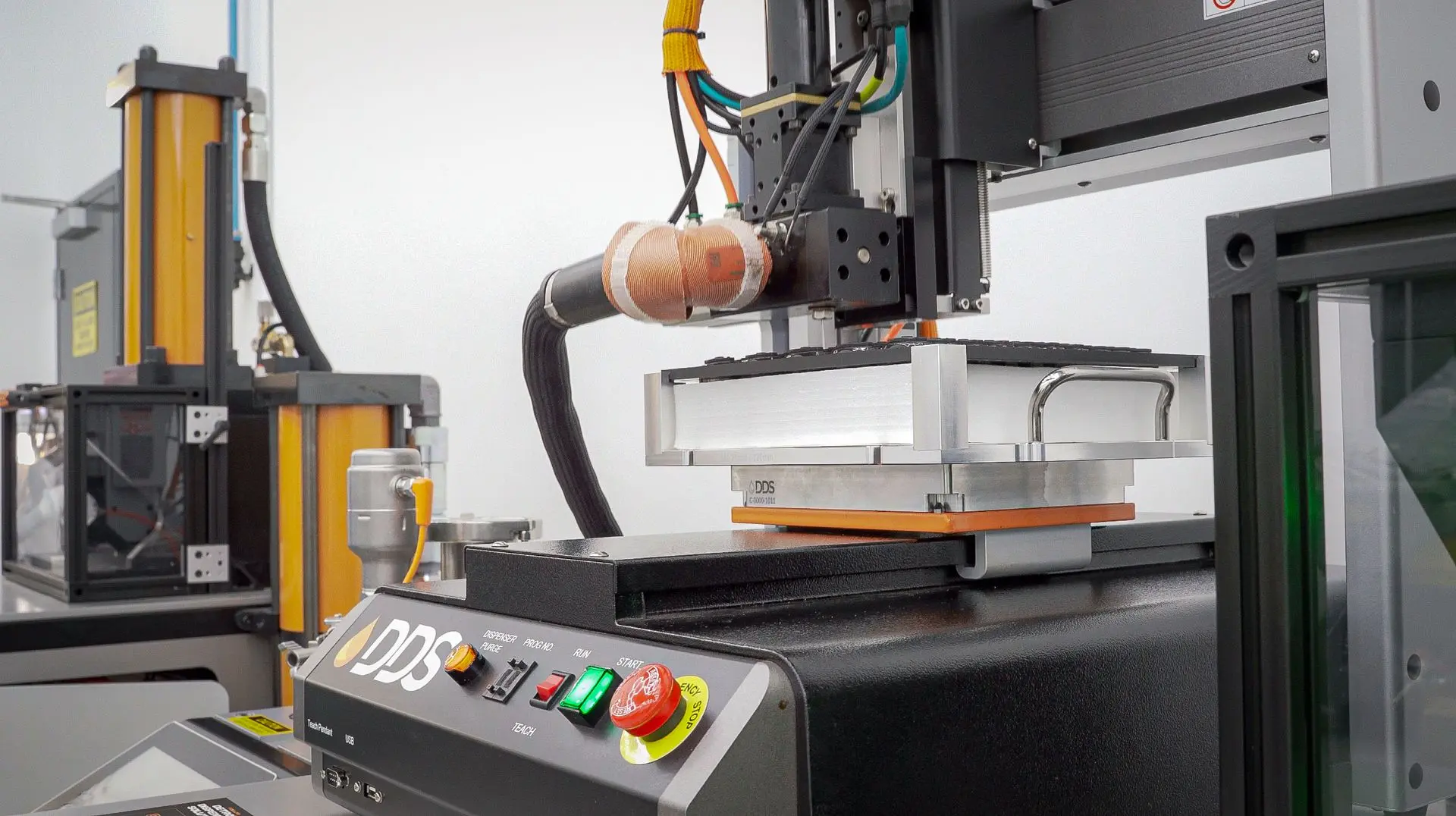
Low-Temperature Capability: The best cartridge filling machines, like the CFM-1800 and CFS-1800 from Detroit Dispensing Solutions operate at industry-leading low temperatures, dispensing distillate and live resin as low as 50°C. This temperature control preserves terpene integrity while maintaining the flowability needed for efficient production.
Precise Thermal Management: Five separate heating zones in the CFM-1800 and CFS-1800 maintain consistent temperature throughout the entire oil path, eliminating hot spots that degrade terpenes and cold spots where oil could solidify. The system includes a 5-liter stainless steel reservoir with precision temperature control.
True-Rod Positive Displacement Valves: Traditional check-valve systems clog with viscous live resin, forcing operators to increase temperatures beyond what's ideal for terpene preservation. The CFM-1800 and CFS-1800 use true-rod positive displacement valve technology that delivers metered shots from 0.16ml to 1.6ml with ±1% accuracy even with high-viscosity materials at lower temperatures.
Controlled Pressure Environment: When the product enters the dispense system, draw time must be adjusted to the exact viscosity of the material so that the material maintains contact with the dispense piston. This helps eliminate atmospheric change in the barrel, avoiding undesired chemical changes in the material that are irreversible.
The Premium Pricing Justification
Live resin cartridges command premium prices in the market—typically 20-40% higher than distillate products. Live resin cartridges often cost between $40 and $80 per gram, while distillate cartridges typically range from $20 to $40.
This price premium reflects production complexity, but it also creates opportunity for processors with the right equipment. The faster you can get the product from its bulk state into a cartridge, avoiding complexity in the process, the better it's going to be. Without the right process and equipment, you risk it degrading very quickly or easily, especially when it comes to solventless products because the product itself is much more fragile than distillate would be.
Equipment that preserves terpenes during filling protects the premium characteristics that justify higher pricing. When processors use distillate-only equipment for live resin, they degrade exactly what makes the product valuable—destroying terpene profiles through excessive heat and creating product that can't command premium prices despite premium input costs.
Common Mistakes When Filling Live Resin
Many processors attempt to fill live resin with equipment designed for distillate, leading to predictable problems:
Overheating to Compensate for Equipment Limitations: When filling systems require high temperatures to function, operators heat live resin to 70-80°C or higher. This makes filling easier but vaporizes delicate terpenes before they reach the cartridge. The resulting product loses the flavor profile that distinguishes live resin from distillate.
Vacuum-Induced Degradation: Some cartridge filling machines rely on vacuum to draw material through dispensing systems, which lowers the boiling point of terpenes, causing evaporation even at moderate temperatures. The result is terpene loss and degraded flavor. The best cartridge filling machines avoid vacuum-based systems for live resin.
Inadequate Temperature Control: Systems with single-zone heating create temperature variations throughout the oil path. Material at the heating element may be 80°C while material in the reservoir remains 50°C, creating inconsistent viscosity and filling problems.
Rapid Production Prioritization: Attempting to achieve the same throughput with live resin as with distillate often requires compromising temperature control. Live resin vape sales grew by 87% in the United States and 626% in Canada in 2021, creating pressure to increase production speed. However, rushing live resin filling by increasing temperatures destroys the product qualities driving that market growth.
Production Efficiency Without Compromise
The CFM-1800 and CFS-1800 demonstrate that temperature control and production efficiency aren't mutually exclusive. Both systems fill 1,800 cartridges per hour with just one operator, throughput competitive with any cartridge filler, while maintaining the 50°C temperatures that preserve live resin terpenes.
This capability matters because processors increasingly offer both distillate and live resin products. Equipment that handles both formulations without compromising either one provides operational flexibility. The same CFM-1800 that protects live resin terpenes fills distillate efficiently, eliminating the need for separate filling systems.
For operations producing exclusively live resin or planning to expand into premium products, equipment selection determines whether premium inputs translate to premium outputs. The best approach to filling vape cartridges with live resins and rosins is very nuanced and little understood in the industry. Processors who master this nuance through equipment selection and process control capture margins that commodity producers cannot.
Ready to protect your live resin product quality? Learn how the CFM-1800 and CFS-1800 deliver industry-leading low-temperature filling without sacrificing throughput. Contact Detroit Dispensing Solutions to discuss your cartridge production needs.
Sources:
- Cannabis Equipment News: Live Resin Filling Considerations
- Sorting Robotics: How Viscosity Affects Vape Cartridge Filling
- Vape-Jet: Live Resin Vape Cart Production
- Boone Town Provisions: Live Resin vs Distillate
- The Hemp Doctor: Live Resin vs Distillate Price Comparison
- Mellow Fellow: Distillate vs Live Resin Cost Analysis