Table of Contents
- What does viscosity mean in cannabis concentrate production?
- Why do different concentrates behave so differently during dispensing?
- What problems does high viscosity cause in a production environment?
- What problems does low viscosity cause?
- How does temperature affect concentrate dispensing?
- What equipment is built to handle multi-viscosity concentrates?
- How do you switch between concentrate types without losing efficiency?
- FAQs
What does viscosity mean in cannabis concentrate production?
Viscosity is a measure of how thick or thin a substance is and how much it resists flow. In cannabis production, viscosity determines almost everything about how a concentrate behaves during dispensing — how it moves through tubing, how accurately it can be dosed, and how much heat it needs to flow at all.
Cannabis concentrates span an enormous viscosity range. Sauce and live resin can be thin enough to pour at room temperature. Badder, butter, and cold-cured rosin sit at the thick end of the spectrum and require a pump specifically designed to handle dense, resistant materials without degrading the product. Distillate falls somewhere in the middle depending on temperature. Understanding where each concentrate sits on that spectrum is the starting point for choosing the right dispensing approach.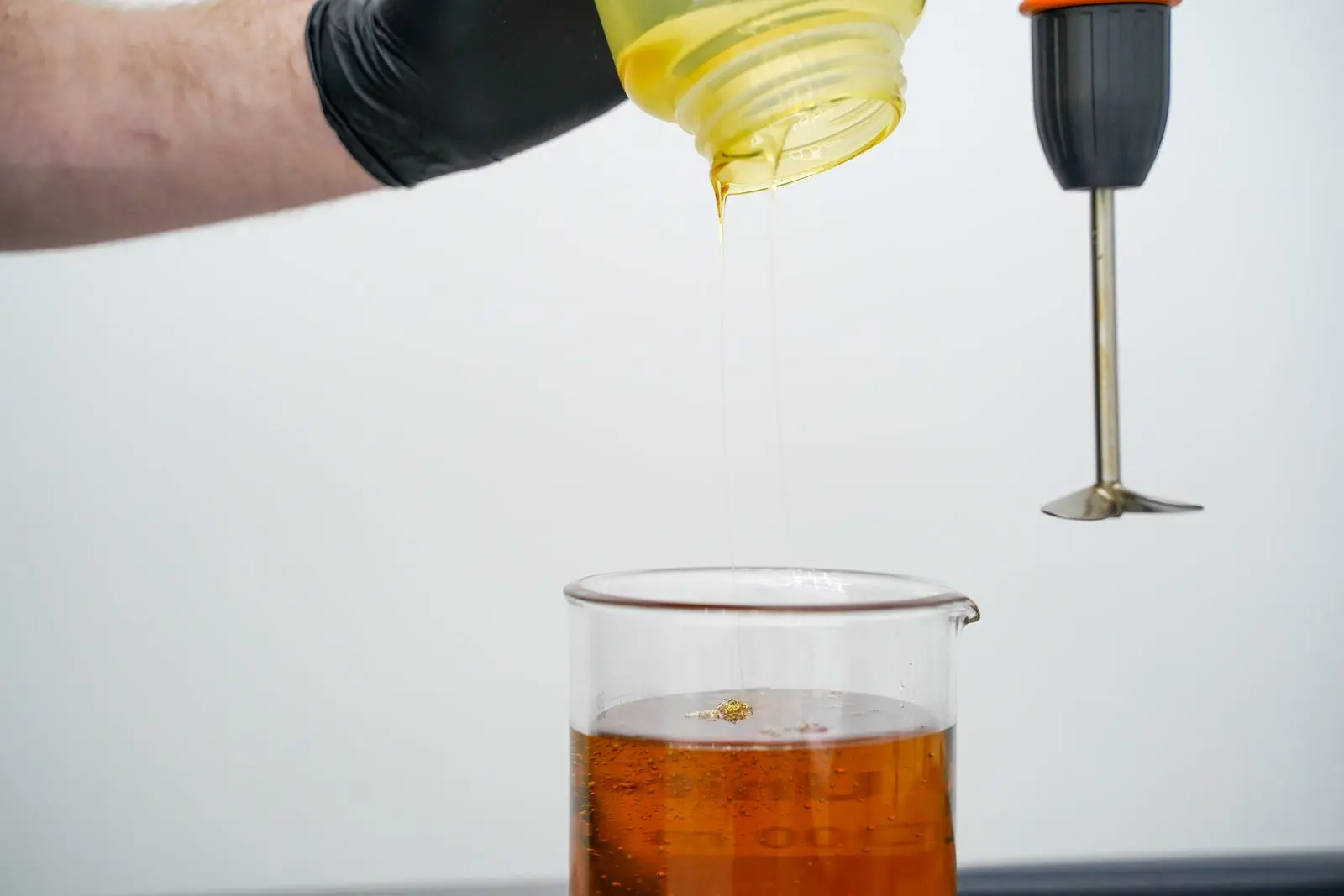
Why do different concentrates behave so differently during dispensing?
The differences come down to composition, processing method, and temperature sensitivity. Each concentrate has a different balance of cannabinoids, terpenes, waxes, and lipids, and each of those components responds differently to heat and pressure.
Live resin and live rosin retain a higher concentration of terpenes, which makes them more aromatic and more volatile under heat. Distillate has been processed to a higher purity level and behaves more predictably across a range of temperatures. Badder and butter have a semi-solid, whipped texture that resists flow in ways that thinner concentrates do not. Cold-cured rosin can be almost putty-like at ambient temperature.
Running all of these through the same equipment without accounting for those differences leads to clogging, inaccurate fill weights, wasted material, and product degradation.
What problems does high viscosity cause in a production environment?
High-viscosity concentrates like badder, cold-cured rosin, and thick distillate create resistance throughout the dispensing system. Standard pressure-pot or gravity-fed systems are not built to move dense material consistently, which leads to a few predictable failure modes.
Inconsistent fill weights are the most common outcome. When the pump or feed system cannot maintain consistent pressure against a thick material, the amount dispensed per cycle varies. At scale, that variability adds up to real product loss and compliance risk.
Clogging is the second issue. Dense material can stall or pack in tubing, nozzles, and valves that were not designed for it. Each clog means downtime, cleaning, and lost production time.
Equipment wear is a longer-term concern. Forcing high-viscosity material through a system not designed to handle it puts stress on components and accelerates wear on pumps and valves.
What problems does low viscosity cause?
Thin concentrates present the opposite challenge. Sauce, some live resins, and certain distillates at elevated temperatures flow so freely that standard dispensing systems have difficulty controlling the dose with precision.
Overfilling is a common result. Without precise valve control, thin material continues to flow after the target dose has been reached, leading to product waste and inconsistent jar or cartridge weights.
Dripping and leaking between cycles is another issue. A valve that relies on backpressure or simple mechanical closure to stop flow will not perform reliably with thin material. The result is product on the equipment, on the operator, and not in the container.
How does temperature affect vape filling and concentrate dispensing?
Temperature is the primary variable processors can control to manage viscosity during production. Most concentrates become thinner and more flowable as temperature increases, and thicker as temperature drops.
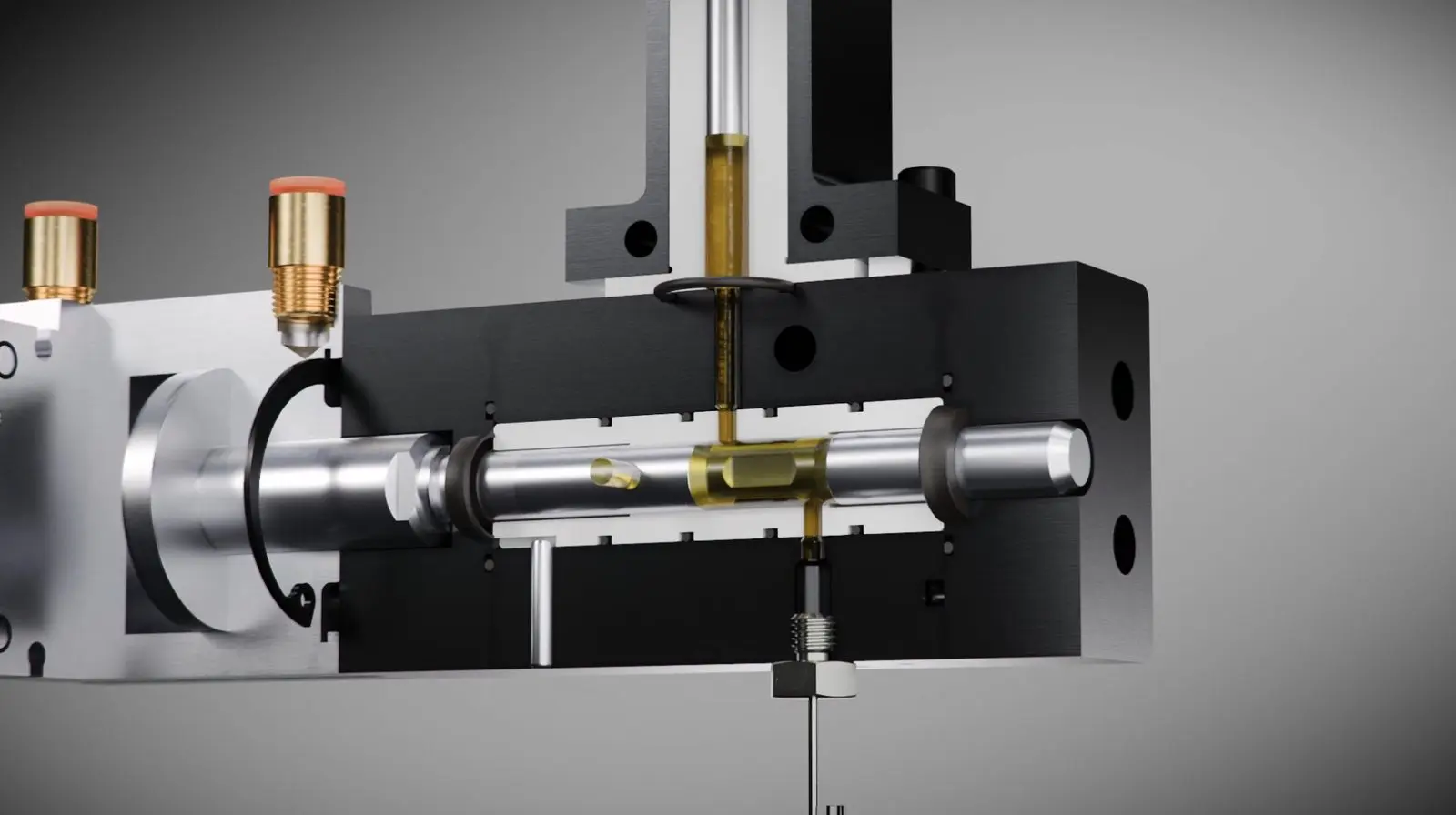
For vape cartridge filling operations, this creates a precision challenge. Distillate is typically dispensed around 50°C on equipment like the CFM-1800 and CFS-1800 — low enough to preserve terpenes and cannabinoids, high enough to maintain consistent flow. Going above that threshold risks thermal degradation. For more on why that temperature range matters, the DDS blog on why low-temperature filling matters covers the specifics.
For concentrate jarring, the equation is different. The CDS-1000 dispenses at ambient room temperature between 68 and 72°F. That approach works because the pharmaceutical-grade progressive cavity pump is designed to move high-viscosity material accurately without relying on heat to thin it out first. For premium products like live rosin and cold-cured rosin, keeping heat out of the process entirely is the only way to preserve what makes the product valuable.
What equipment is built to handle multi-viscosity concentrates?
The most important thing to understand about concentrate dispensing equipment is that most systems are built with a specific viscosity range in mind. A machine optimized for thin distillate will underperform with thick rosin. A system designed for thick concentrates may lack the precision needed for thin sauce.
The CDS-1000 is designed to handle the full spectrum of cannabis concentrate viscosities — from badder, butter, and sugar to live rosin, cured rosin, live resin, and sauce — without heating the product. The pharmaceutical-grade progressive cavity pump at its core uses a low-shear rotor and stator design that moves material smoothly regardless of density, minimizing pulsation and turbulence that would otherwise degrade terpenes or affect dosing accuracy. It dispenses at ±1% accuracy at up to 800 jars per hour with one operator.
For vape cartridge filling operations handling both distillate and live resin, the CFM-1800 and CFS-1800 use a proprietary true-rod positive displacement valve with a 316L stainless steel metering rod and servo-driven actuation. That valve design delivers ±1% dosing accuracy across a range of cannabis oil viscosities at low temperatures.
How do you switch between concentrate types without losing efficiency?
Changeover efficiency matters as much as dispensing performance for operations running multiple SKUs or product formats. A system that performs well with one material but requires an hour of cleaning and reconfiguration to switch to another limits your operational flexibility.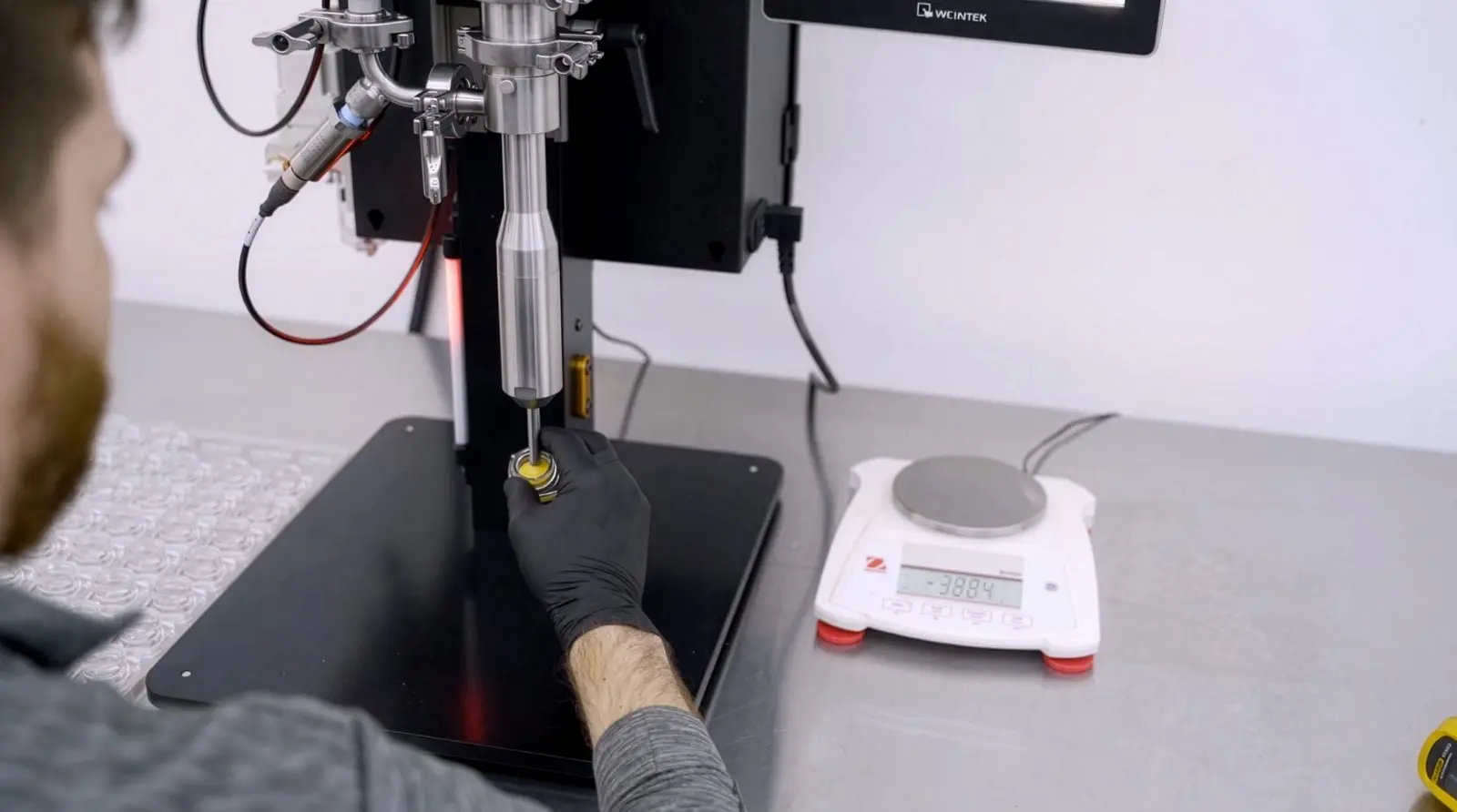
The CDS-1000 is built with tool-free cleaning and fast changeover specifically to address this. Modular construction means components can be swapped quickly rather than requiring extended maintenance windows between batches. The CFM-1800 and CFS-1800 use a jig-based system that adapts to different cartridge formats with minimal downtime between SKUs.
For a broader look at how processors can build production lines that handle multiple formats efficiently, the DDS blog on how to automate cartridge filling is a useful reference.
FAQs
What is viscosity and why does it matter in cannabis production?
Viscosity refers to how thick or resistant to flow a substance is. In cannabis production it determines how concentrates move through dispensing equipment, what pump technology is needed to handle them accurately, and whether heat is required to maintain consistent flow.
Which cannabis concentrates have the highest viscosity?
Cold-cured rosin, badder, and butter tend to sit at the high end of the viscosity range. These semi-solid materials require a pump specifically designed for dense, resistant material to dispense accurately without clogging or inconsistency.
Which cannabis concentrates have the lowest viscosity?
Sauce and certain live resins are among the thinnest concentrate formats at room temperature. Distillate viscosity varies significantly with temperature and can range from quite thin at higher temperatures to thick and slow-moving when cool.
Can the same machine handle both thick and thin concentrates?
It depends on the equipment. Many dispensing systems are optimized for a specific viscosity range. The CDS-1000 is specifically engineered to handle the full viscosity range of cannabis concentrates, from sauce and live resin through to badder and cold-cured rosin, at ambient temperature without heating the product.
Why is low-temperature dispensing important for live rosin and live resin?
Live rosin and live resin have a high terpene content that is volatile and degrades under heat. Dispensing at elevated temperatures causes terpene loss that directly affects flavor, aroma, and the perceived quality of the finished product. The CDS-1000 dispenses at 68 to 72°F specifically to preserve those properties.
What causes inconsistent fill weights when dispensing concentrates?
Inconsistent fill weights are usually caused by a pump or feed system that cannot maintain consistent pressure against varying material density, or by a valve that does not close cleanly and precisely after each dose. Equipment designed for cannabis concentrate viscosities addresses both variables.
What is a progressive cavity pump and why is it used for concentrates?
A progressive cavity pump uses a helical rotor turning inside a stator to move material forward in a smooth, low-shear flow. The low-shear action is particularly important for concentrates because it moves dense material without the turbulence or mechanical stress that can degrade terpenes or alter product texture.
How does the CDS-1000 handle batch calibration across different concentrate densities?
The CDS-1000 uses a weight-based batch calibration step. The operator dispenses 1 mL of product, weighs it, and enters the weight into the touchscreen. The system calculates the actual material density and adjusts the dispense volume to match the target weight. This compensates for density variation between concentrate types.
Does equipment need to be cleaned between concentrate types?
Yes. Switching between concentrate types without cleaning risks cross-contamination and can affect the accuracy of subsequent batches if residual material from the previous run alters flow characteristics. The CDS-1000 features tool-free cleaning designed for fast changeover between batches or SKUs.
Where can I learn more about DDS dispensing equipment? The full dispensing equipment lineup is available at detroitdispensingsolutions.com/dispensing-equipment. For specific product details, visit the CDS-1000, CFM-1800, and CFS-1800 pages directly.